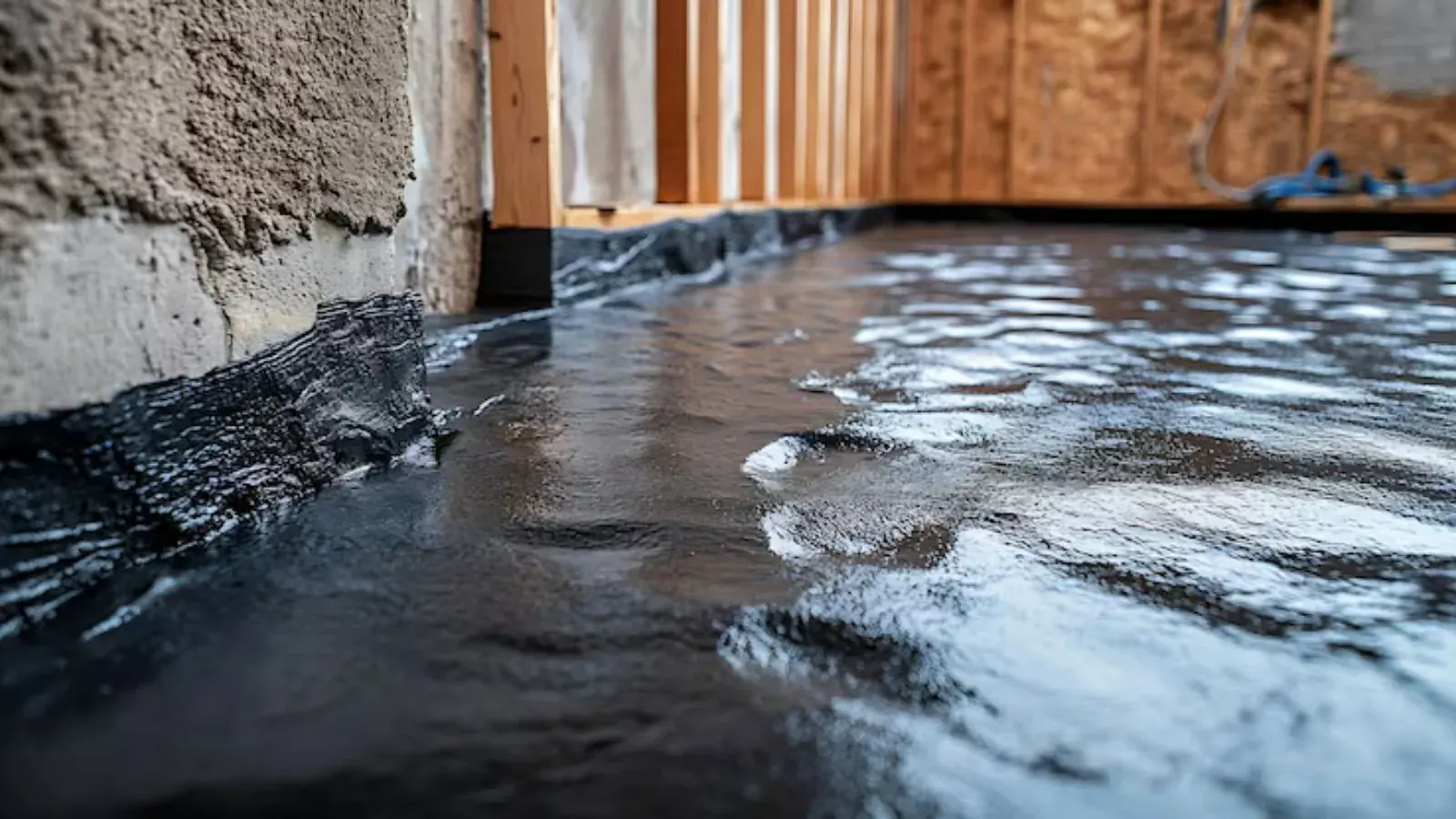
Finishing a basement starts with the floor. Pick the wrong material and moisture lifts it, grows mold under it or ruins it after one bad storm. A plumber's view of the question is simple: fix the water first, then choose a floor that tolerates the moisture that remains.
This guide compares common basement floors, explains the moisture tests to run first and covers the plumbing checks worth doing before you cover the slab. The basement waterproofing page explains drainage fixes.
Test the slab before you buy anything
Moisture checks before flooring
- Tape a one-foot square of plastic to the slab for 48 hours and look for condensation
- Run a dehumidifier for a week and see how much water it collects
- Look for white mineral deposits on walls and floors
- Check for a musty smell in corners and under stairs
- Look for stains below pipes and around the water heater
If moisture shows up, find the source. A damp floor may be groundwater, but it may be a pipe. A leak detection visit rules plumbing in or out for a modest cost compared with replacing a floor.
Flooring options compared
| Material | Handles moisture | Notes |
|---|---|---|
| Luxury vinyl plank or tile | Well | Waterproof surface, needs a flat slab |
| Porcelain or ceramic tile | Well | Cold underfoot, needs a flat slab and grout sealing |
| Sealed or epoxy concrete | Well | Simple, but cold and hard |
| Rubber tiles or mats | Well | Good for gyms and workshops |
| Carpet with pad | Poorly | Traps moisture, avoid unless the slab is proven dry |
| Solid hardwood | Poorly | Warps with humidity |
Interlocking subfloor panels create an air gap above the slab. They add a bit of warmth and let small amounts of moisture dry. They are a good base under vinyl or carpet tile, though they do not cure a real water problem.
Plumbing to check before the floor goes in
Once a floor covers the slab, every plumbing fault underneath becomes expensive. Have a plumber check the floor drain, the sump pit, the cleanout and any pipes that run along the slab. A short sewer camera visit shows whether the lateral is sound, which is covered on the sewer inspection page.
If you plan a bathroom, rough-in plumbing goes in before the floor. Slab cutting for drains is far cheaper before finishing than after, so decide on fixtures early.
Drainage and the sump system
A floor that stays dry in dry weather but floods during storms needs a working sump pump and, ideally, a backup. Make sure the pit is accessible under the finished floor, since you will need to reach it for repairs.
Grading outside matters too. Soil that slopes toward the house, and downspouts that dump at the foundation, load the slab with water that no flooring can handle.
Subfloor options and how to install over a slab
Even a waterproof floor needs a flat, clean base. Grind high spots, fill cracks and sweep thoroughly before any material goes down. Vinyl planks float over the slab and need a flat surface within a small tolerance, while tile needs an even flatter base to avoid cracked grout.
A vapor barrier under floating floors helps with small amounts of moisture. Dimpled membranes and interlocking panels create a gap that lets the slab breathe. They also add a thin layer of insulation, which makes the room feel warmer underfoot.
Leave a small expansion gap around the edges of a floating floor, and cover it with baseboard and trim that does not touch the floor. Keep wall base trim slightly above the surface, because water that reaches the room should be able to drain and dry rather than wick into wood. If you plan on a bathroom, set the drain location before the floor goes down.
Budget, comfort and resale
Vinyl plank is usually the best value for a family room because it is waterproof, warm underfoot and easy to replace by the plank. Tile lasts longer, costs more to install and feels cold unless you add radiant heat. Sealed concrete is the cheapest, though it is hard and echoes.
A buyer will look at whether the finished space feels dry. A neat floor over a slab with a working sump pump and a clean inspection record is a selling point, while a floor that smells musty is a problem. Keep your permit records with your inspection paperwork.
The short version
Test the slab, fix the water source and then choose vinyl plank, tile or sealed concrete. Avoid carpet and solid wood unless the slab is proven dry. Have the drains, sump pit and sewer line checked before the floor covers them, and pull the permits Ballwin requires for a basement finish so the work holds up at sale.